Waste Lifecycle.
From community collection to quality plastic flakes, follow the full journey of how Safisha Nchi transforms recovered waste into verified industrial value.
The full recycling lifecycle.
Collection
150+ informal collectors and 8 hubs recover plastics, glass, and cartons from communities and businesses across the region.
Aggregation
Materials flow into our Central Kisumu Hub, where they are weighed, logged, and staged for processing at over 10 metric tonnes per week.
Processing
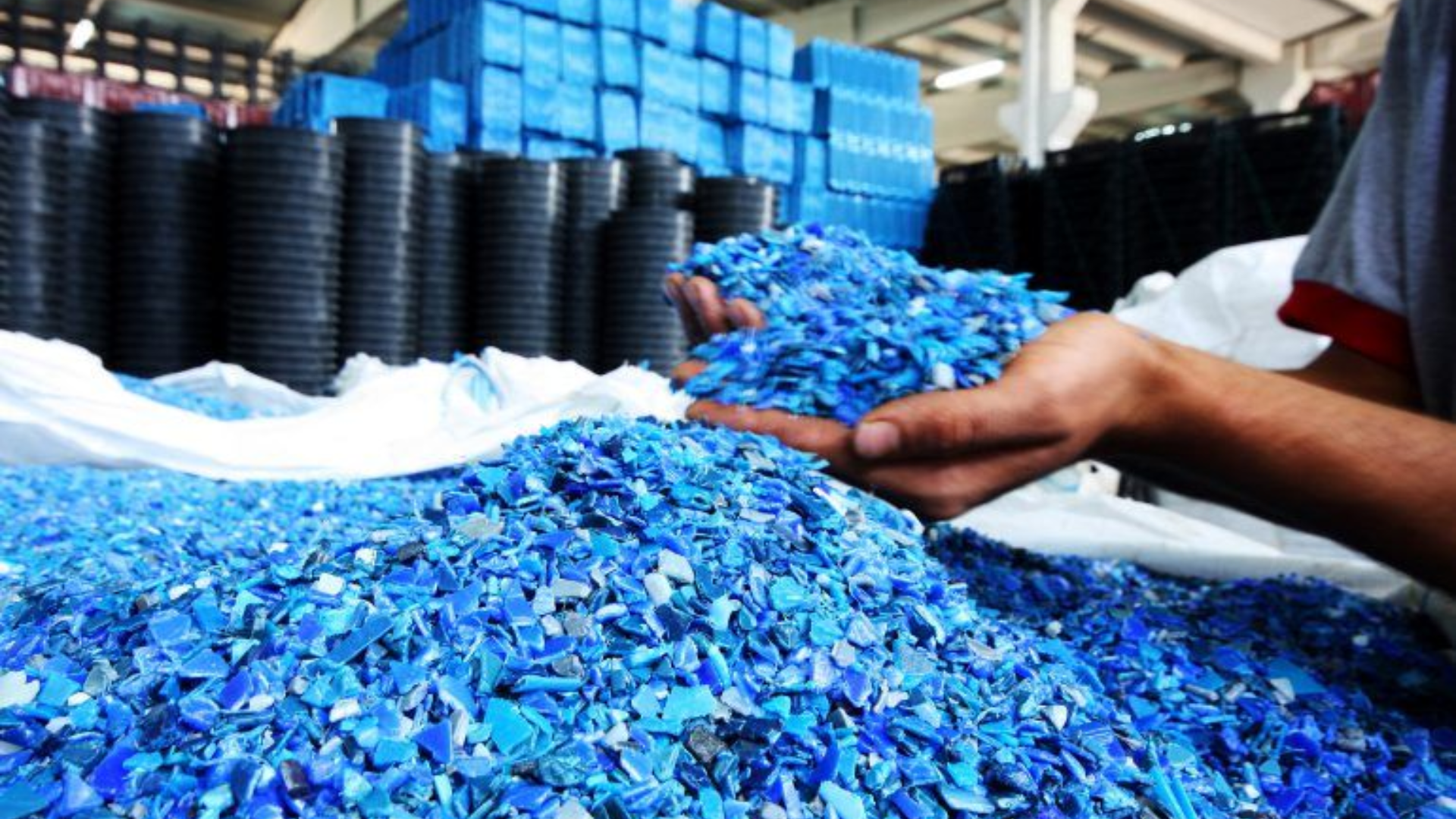
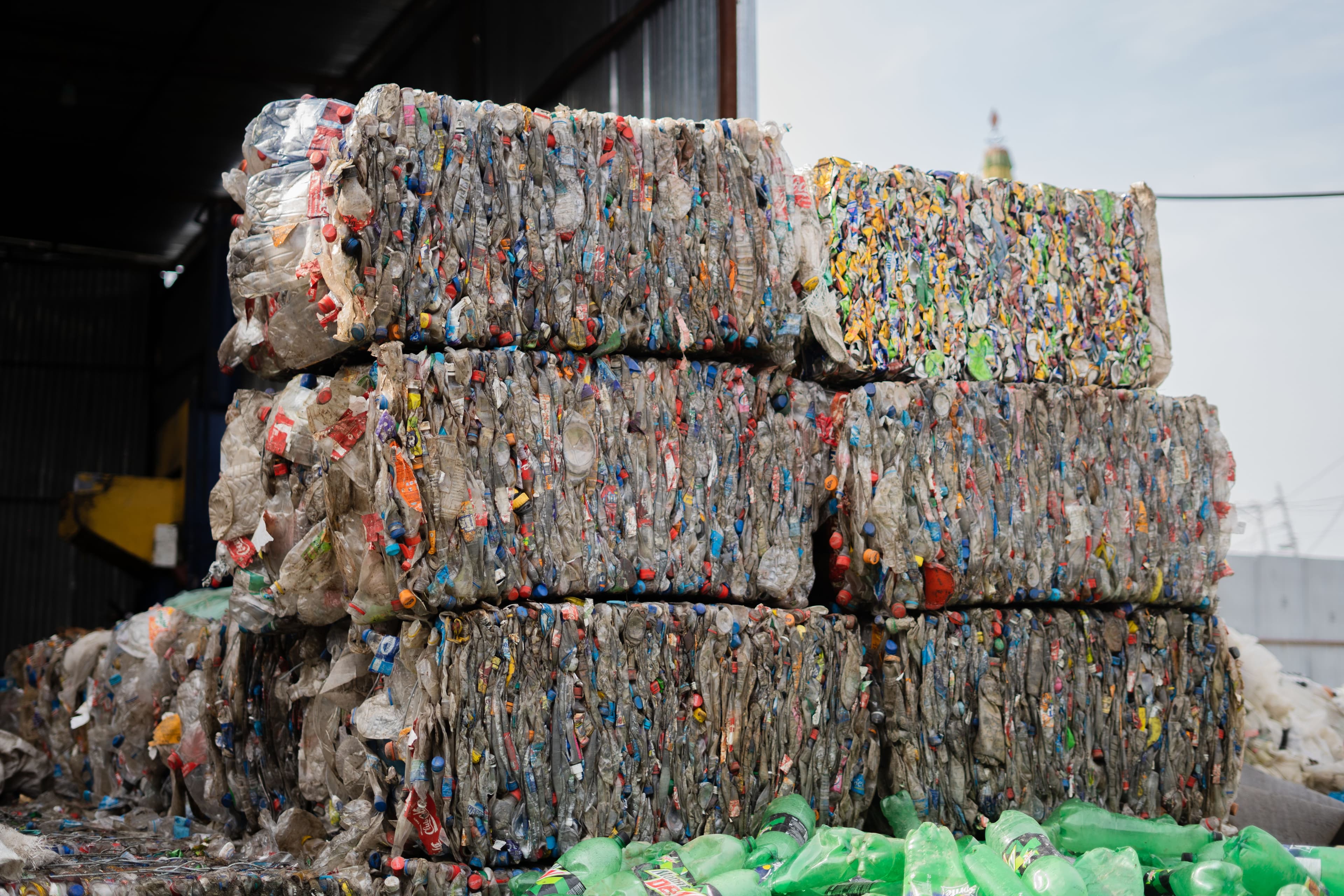
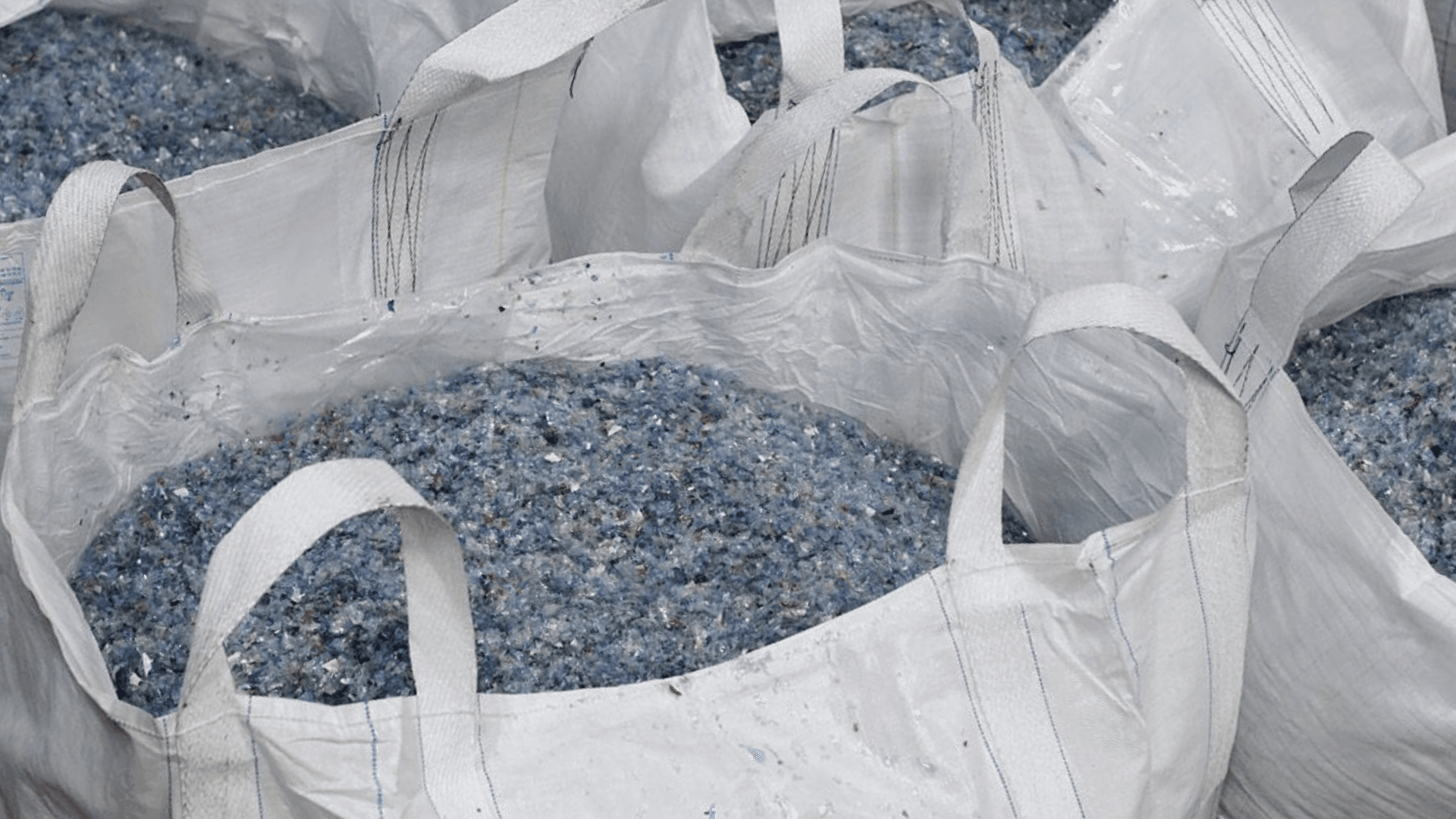
Sorted plastics are washed, shredded, and dried into high-quality plastic flakes ready for industrial use. Our roadmap includes scaling to pellet extrusion as infrastructure and funding grow.
Output
Finished industrial commodities including baled PET, clean flakes, and sorted glass cullet are supplied directly to manufacturers, completing the circular economy loop.
Waste materials we process.
 01
01Plastics Recovery
 02
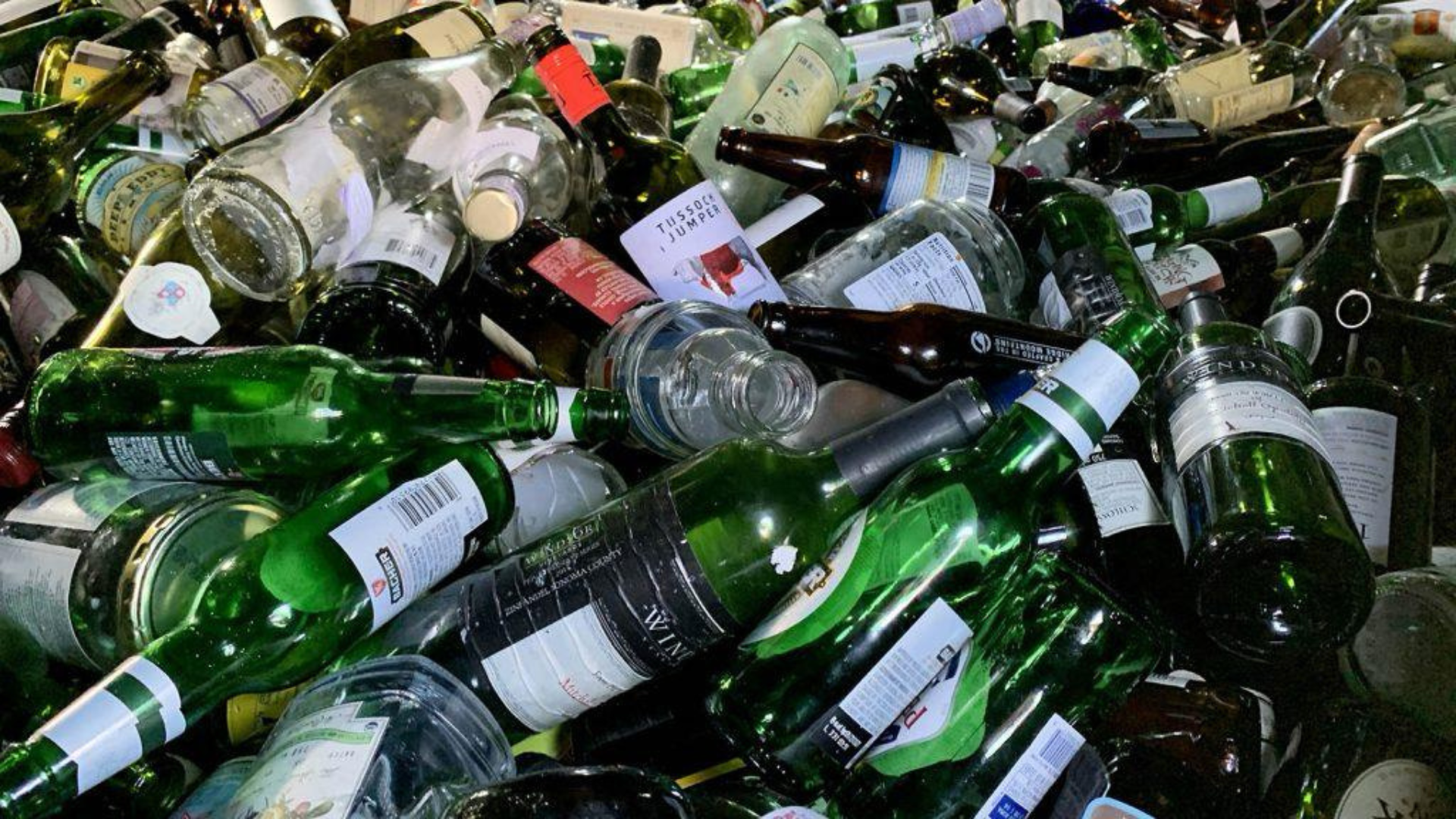
02Glass Sorting
 03
03Cartons & Paperboard
Industrial grade
processing.
Our facilities deliver high-quality recycled materials meeting rigorous industrial standards, replacing virgin plastics, reducing carbon footprints and combating plastic pollution.
1 Main Hub.
7 Collection Mini Hubs.
Our distributed network ensures maximum coverage and collection efficiency across the Kisumu region.
Kisumu Central Hub
Main processing site. Sorting, crushing, baling.