The Kisumu Operational Facility (2022–2024)
Overview
The Kisumu Project was Safisha Nchi’s foundational proof-of-concept operation. Over a three-year period, the company deployed a targeted operational facility in Kisumu to establish a robust, localized waste collection, buy-back, and processing ecosystem. This direct intervention yielded concrete, field-verified results across both environmental and socioeconomic metrics, proving the viability of the company's decentralized model.
Stakeholders
- County Government of Kisumu
- NEMA
- Local Communities
- Independent Waste Pickers
Impact
- 360T+, Plastics Diverted
- 270T, CO2 Avoided
About The Project
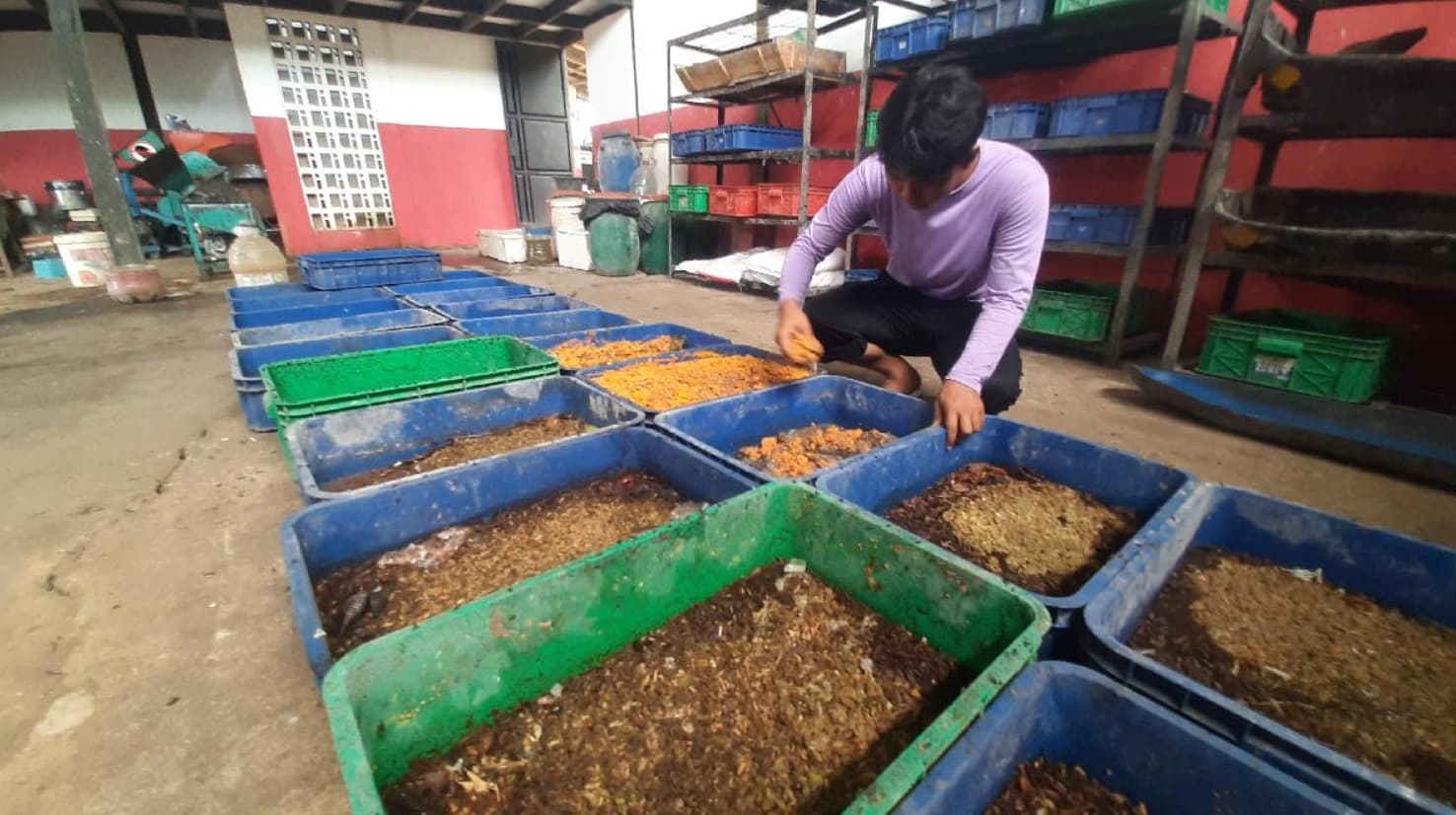
The Kisumu Project served as Safisha Nchi’s foundational proof-of-concept operation, establishing a robust blueprint for localized waste collection, buy-back mechanisms, and industrial material processing over an intensive three-year period. Operating directly within the vibrant urban and peri-urban landscape of Kisumu County, this initiative was strategically designed to tackle the mounting challenges of municipal solid waste management while creating a predictable, income-generating ecosystem for grassroots environmental actors. By bridging the critical gap between unorganized waste generation and formal industrial recycling supply chains, the project successfully deployed a decentralized operational framework that proved the commercial and ecological viability of localized resource recovery. Over its operational lifecycle, the facility evolved from a pilot intervention into a cornerstone of regional environmental stewardship, systematically intercepting high-value polymers and organic-adjacent recyclables that would have otherwise ended up choking local drainage systems, polluting Lake Victoria's expansive basin, or contributing to open-air municipal burning. This direct intervention yielded concrete, field-verified results across multiple environmental, social, and economic metrics, demonstrating how private-sector ingenuity can align seamlessly with public-sector objectives to foster sustainable urban development, green job creation, and long-term climate resilience across secondary East African cities.
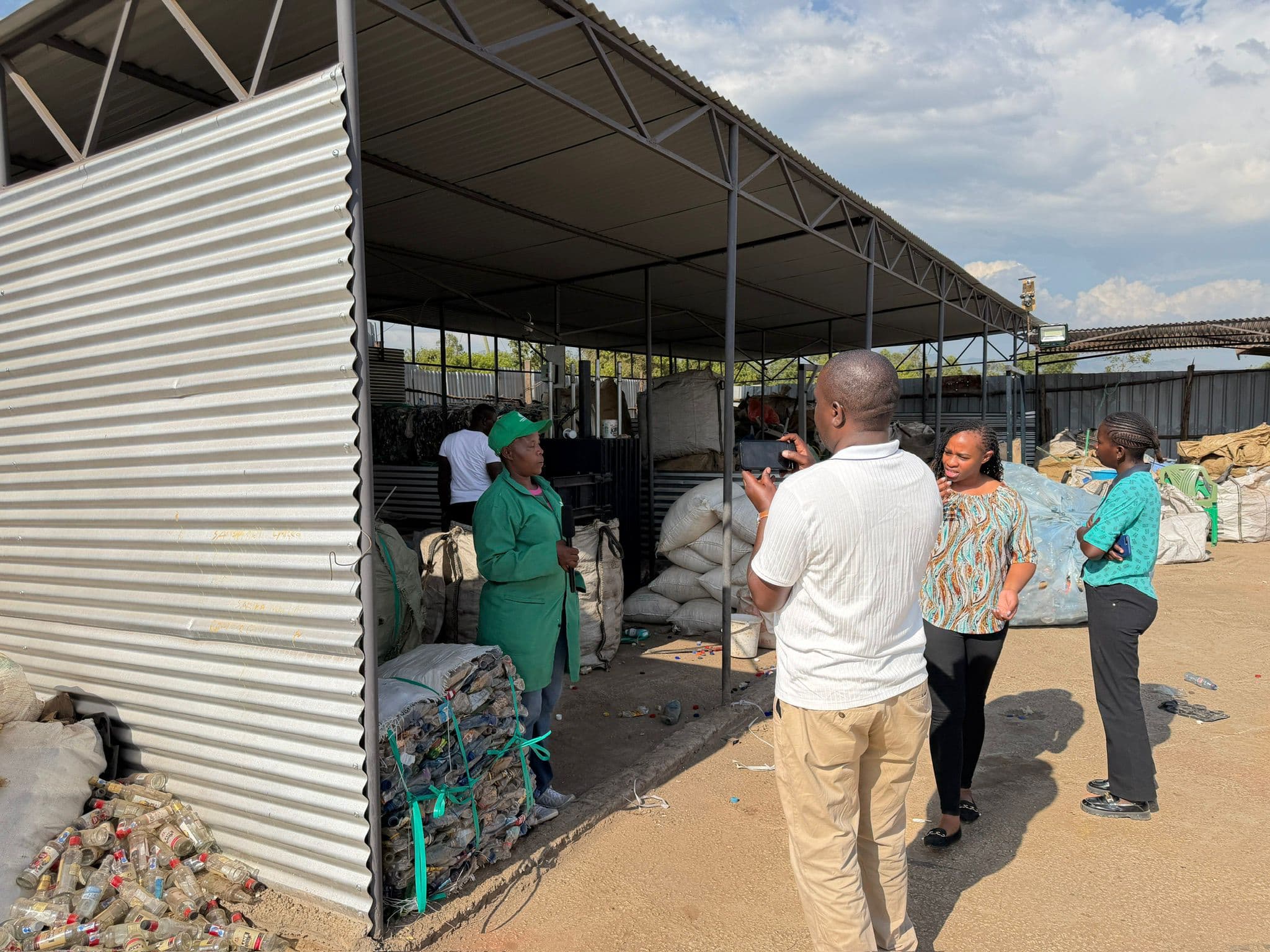
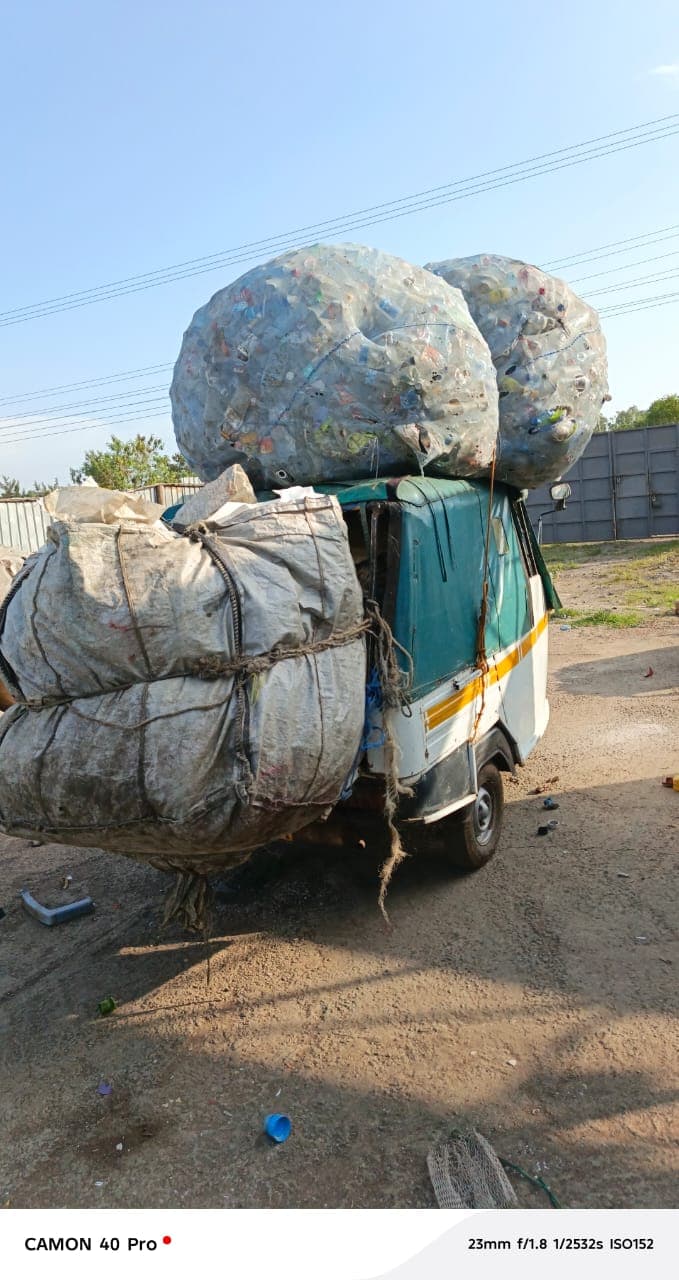
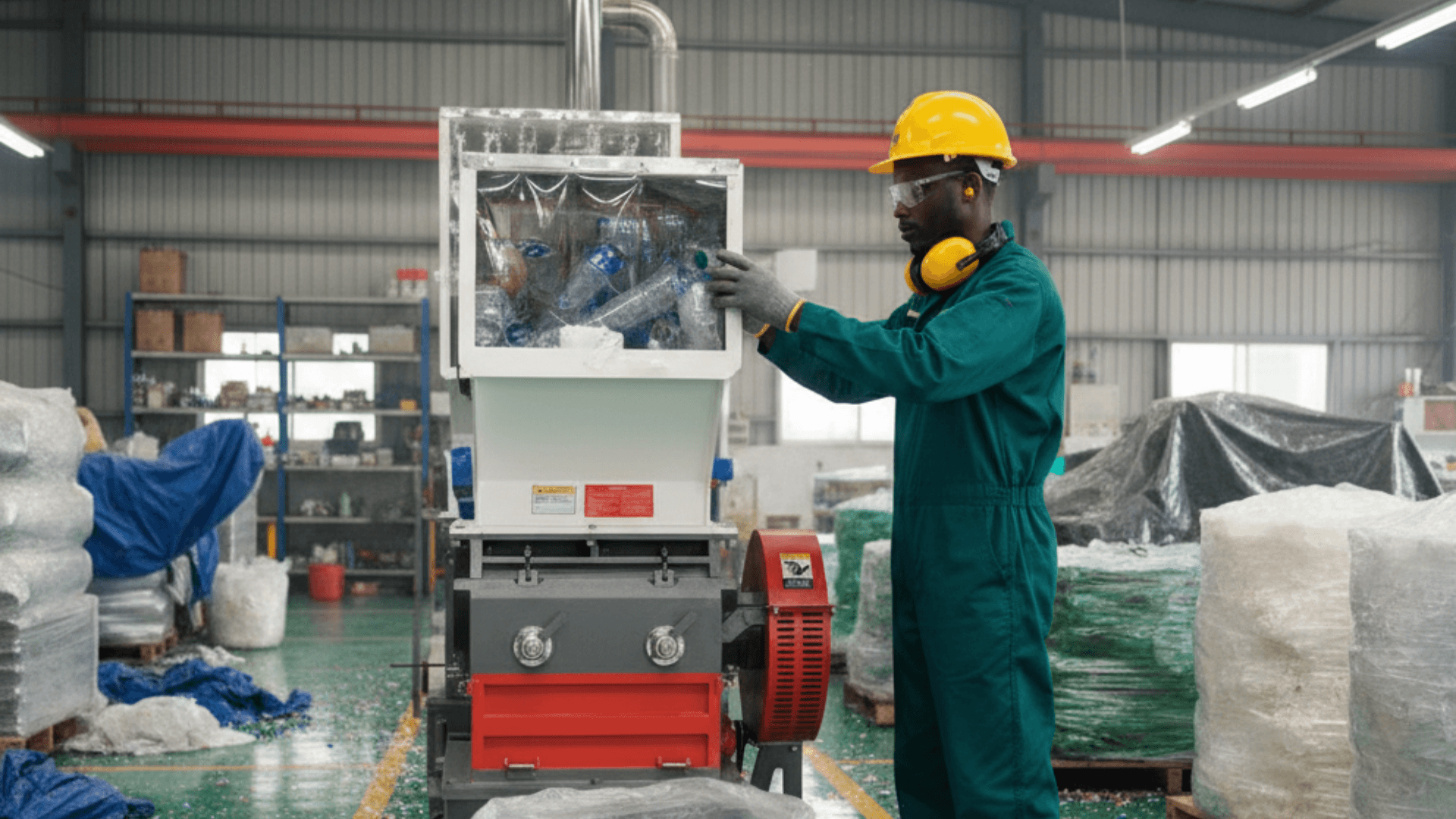
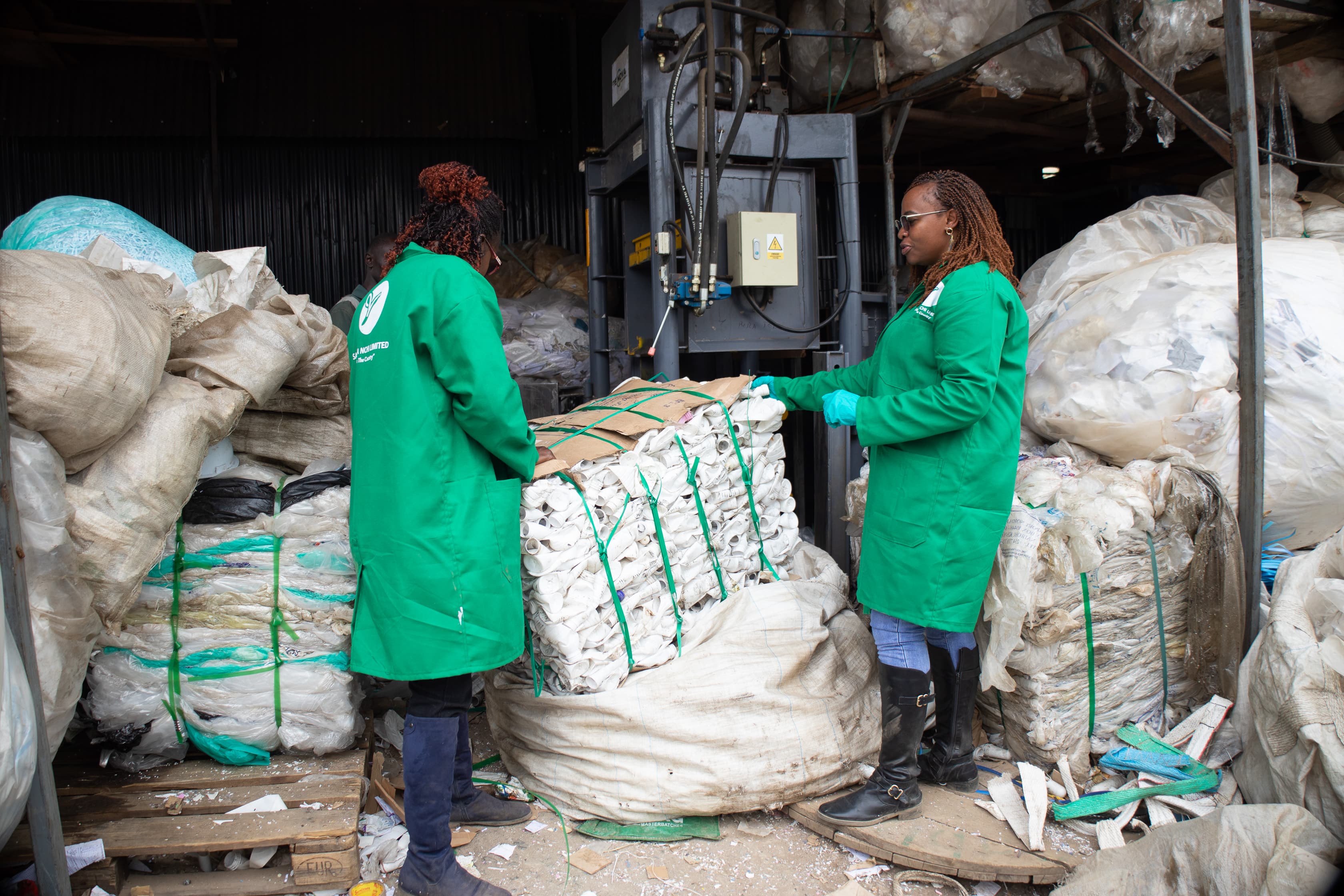
Material Recovery Capacity: Safisha Nchi's Kisumu facility successfully collected, processed, baled, and redirected over 360 tonnes of high-grade recyclable plastics, specifically targeting high-density polyethylene (HDPE), low-density polyethylene (LDPE), and polyethylene terephthalate (PET). This rigorous industrial sorting ensured that raw polymers were reintroduced back into the circular manufacturing economy rather than degrading in open environments.
Environmental Impact: Through continuous, data-driven interventions and scaling operations, the company catalyzed a measurable shift in regional sanitation, helping raise Kisumu's citywide recycling diversion rate from a baseline of just 4% up to a robust 10%. Furthermore, by successfully displacing the industrial requirement for petroleum-derived virgin plastics, the project avoided over 270 tonnes of equivalent CO2 emissions, contributing directly to Kenya's broader nationally determined contributions (NDCs).
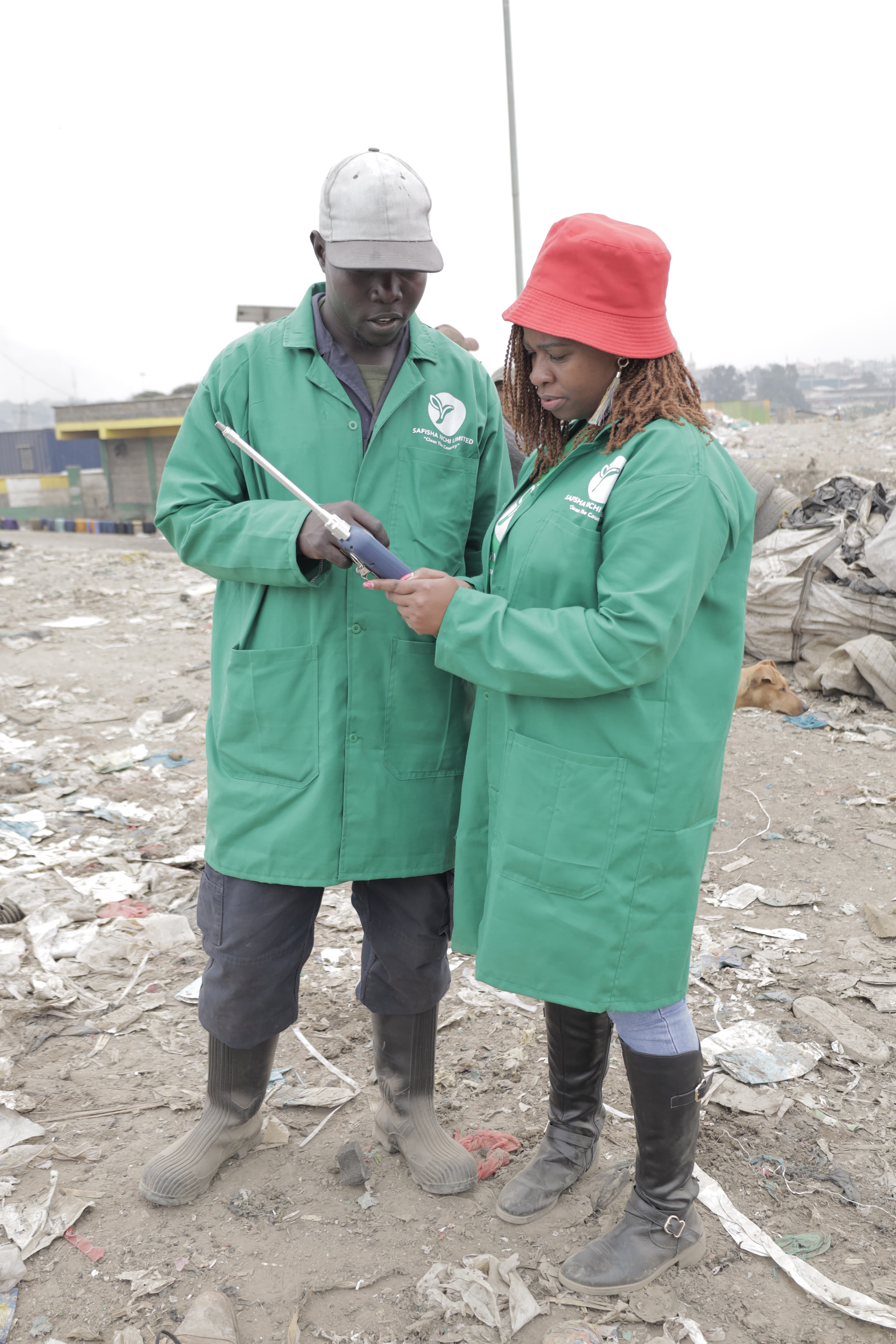
Community Empowerment: Beyond its ecological metrics, the project functioned as a vital socioeconomic engine by creating 40 direct, stable, and dignified local jobs within the processing facility itself. Outside the facility walls, Safisha Nchi actively integrated and empowered over 150 independent waste pickers. By equipping them with essential safety training, personal protective equipment (PPE), and reliable, transparent direct mobile payments, the initiative transformed precarious informal labor into a respected, economically secure vocation that supports hundreds of dependents across Kisumu County.