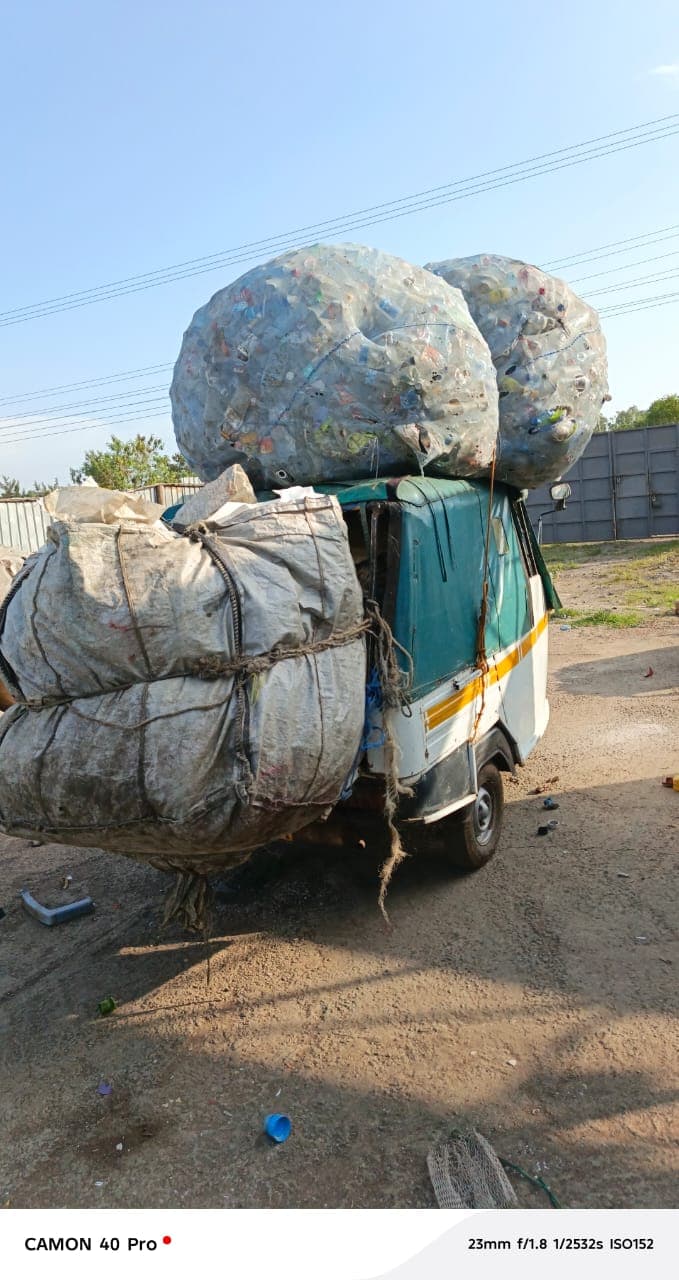
The KIWAN Waste Network
Overview
The KIWAN Waste Network is a strategic, county-wide advocacy and coordination initiative designed to formalize and empower the informal waste management sector. Moving beyond physical collection logistics, this project centers on policy collaboration, institutional alignment, and shared infrastructure development. It serves as an organizing body that unifies independent waste pickers, giving them a collective voice to engage with municipal authorities and advocate for standardized, safe operating procedures.
Stakeholders
- Safisha Nchi
- Independent Waste Pickers
- Local Government Officials
- Civil Society Organizations
- NEMA
Impact
- NEMA Act regulations, Policy Alignment
- Shared resources, Infrastructure
About The Project
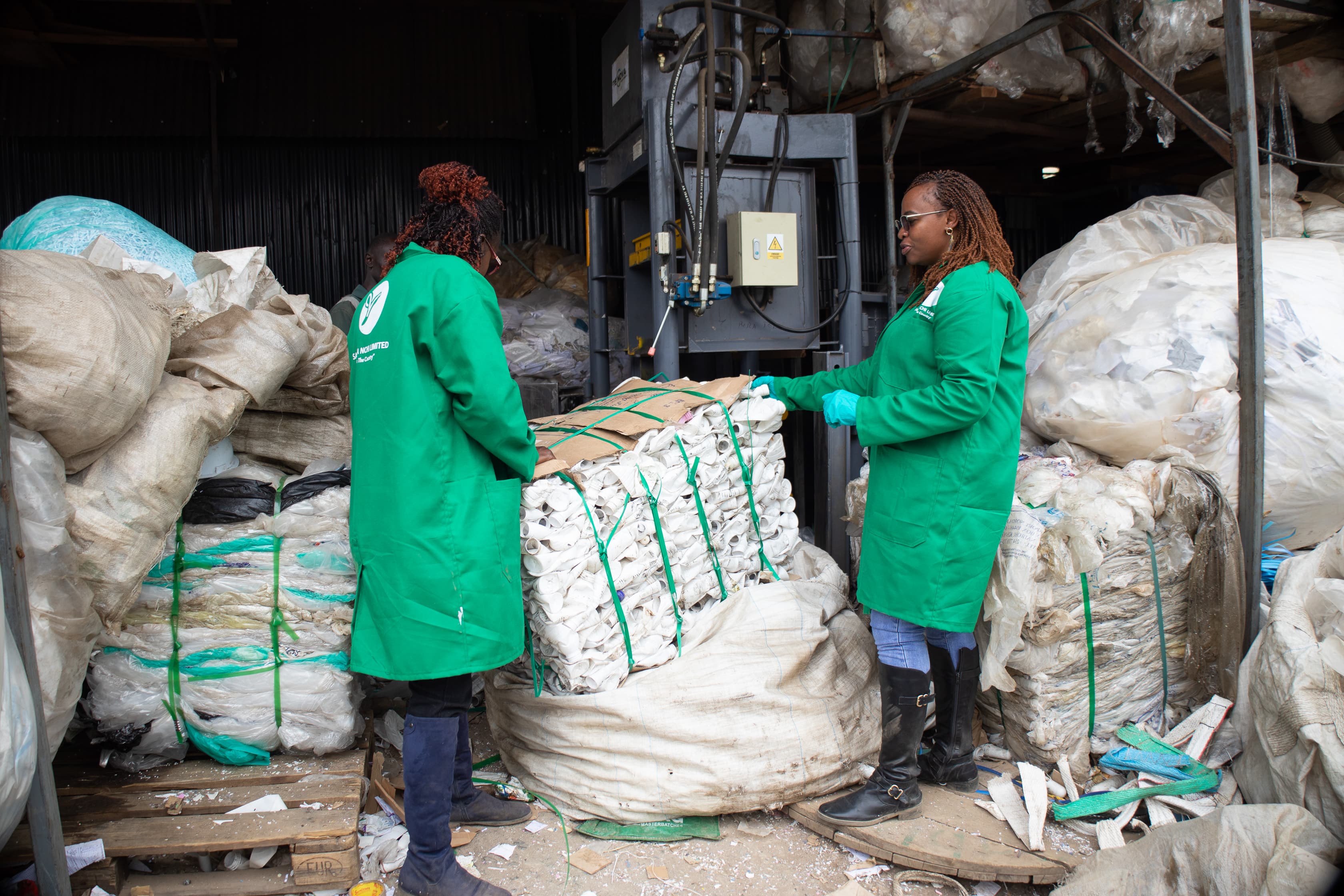
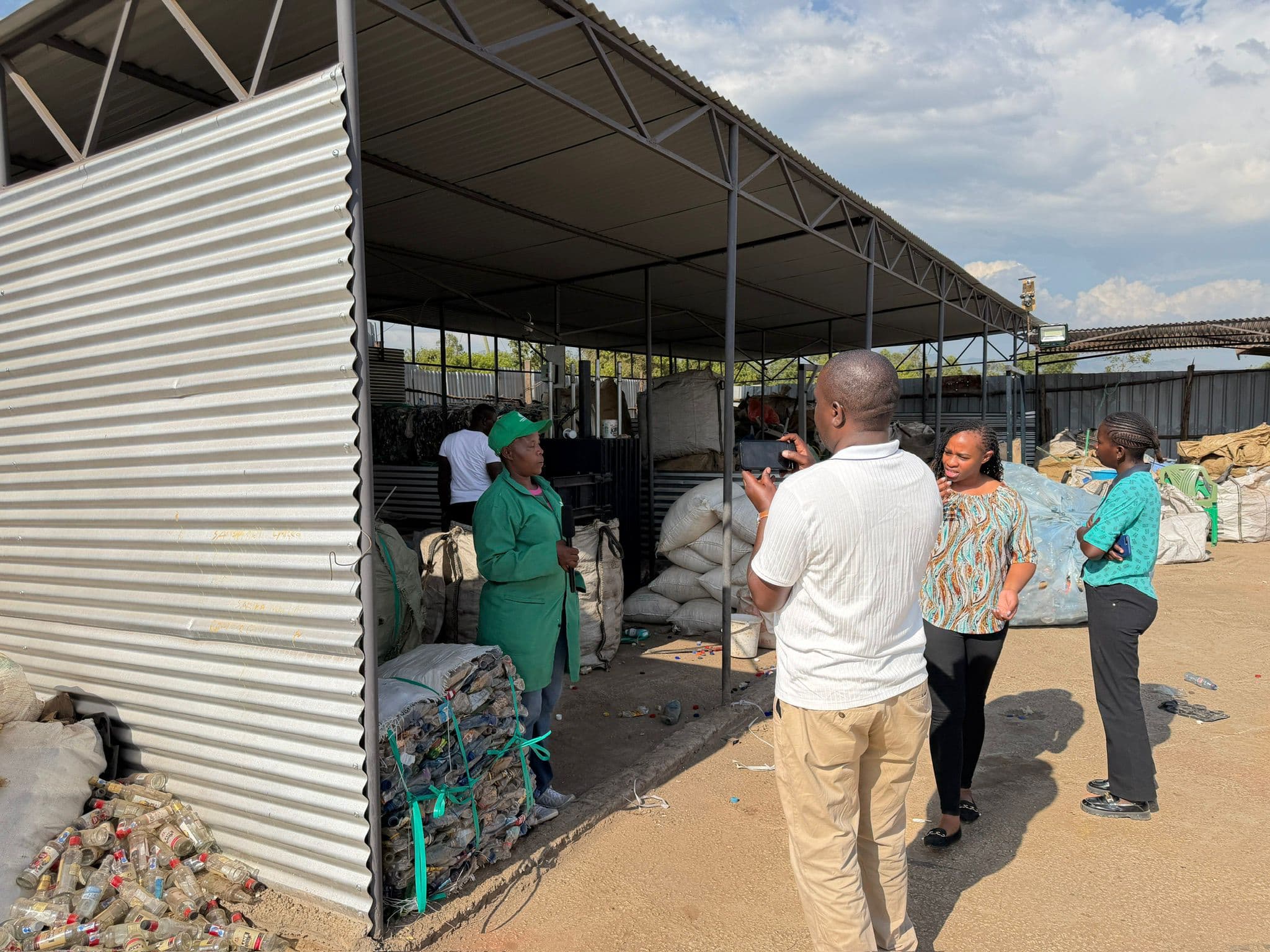
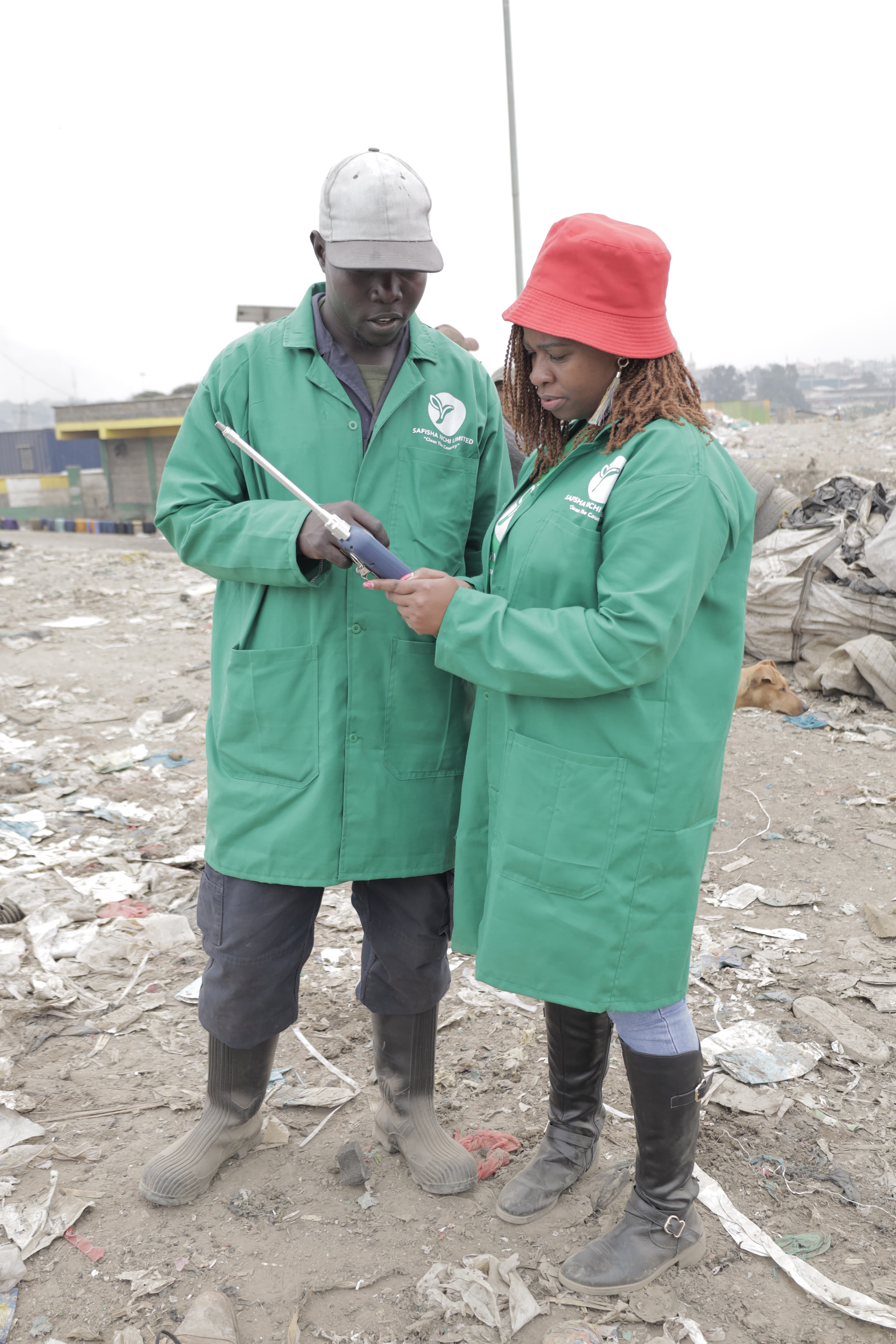
The KIWAN Waste Network is an ambitious, county-wide advocacy, policy alignment, and multi-stakeholder coordination initiative engineered specifically to formalize, protect, and empower the historically marginalized informal waste management sector. Moving far beyond traditional physical collection logistics, this landmark project focuses intensively on institutional capacity building, regulatory compliance frameworks, policy advocacy, and shared resource infrastructure development across Kenya. It acts as a cohesive organizing body that unifies independent waste pickers, micro-collectors, and grassroots cooperatives, providing them with a powerful, unified collective voice to engage directly with county government authorities, environmental regulators, and corporate sustainability leaders. By advocating for standardized, safe operating procedures and recognizing waste pickers as essential municipal sanitation workers, the network dismantles historical stigmas and integrates informal networks into formal municipal solid waste management master plans. Through strategic stakeholder workshops, capacity-building seminars, and legal framework navigation, the KIWAN Waste Network ensures that grassroots actors are not left behind in the transition toward a circular economy, thereby fostering an inclusive, equitable, and legally protected environment for all environmental champions operating across the region.
Policy Alignment & Advocacy: The network functions as a critical bridge for practical policy implementation, successfully facilitating ongoing dialogues and collaborative frameworks between informal collectors and local county authorities to ensure all field operations strictly adhere to environmental standards set by the NEMA Act regulations.
Infrastructure & Resource Sharing: The initiative develops scalable frameworks for shared logistical assets, collective storage facilities, and transportation resources, drastically reducing operational bottlenecks and overhead costs for independent collectors who previously operated in isolated, vulnerable conditions.
Sector Formalization: By formally networking marginalized environmental workers, KIWAN advances Safisha Nchi’s overarching corporate strategy of seamlessly connecting the informal sector to high-value industrial recycling markets, promoting community-led environmental governance and sustainable long-term economic prosperity.